Getting Up Off the Floor: A Simple Test of Strength, Balance, and Mobility
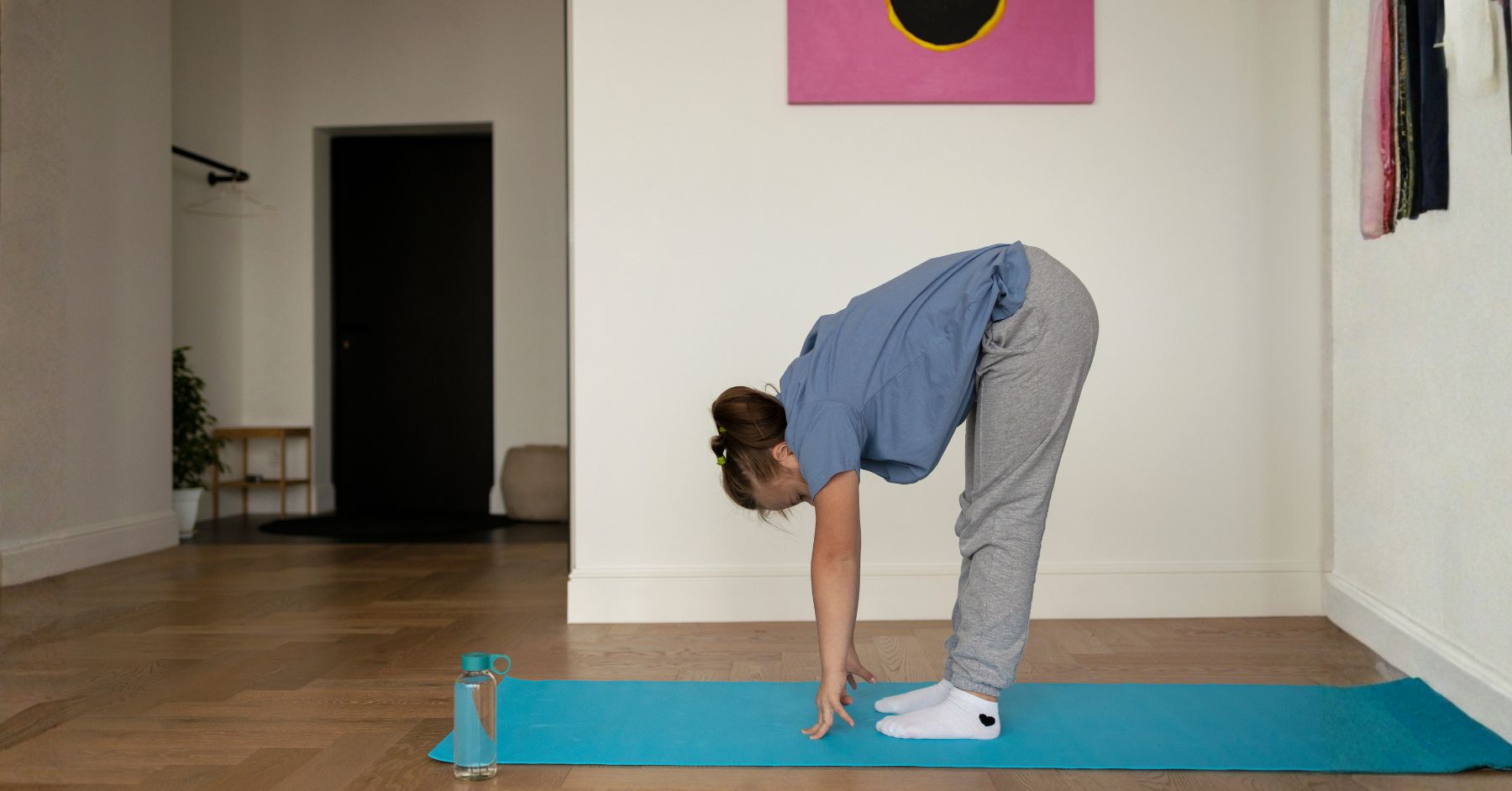
Aging brings changes we can feel in subtle ways at first. Movements that once felt automatic start to require a bit more thought… a bit more effort. One of the clearest examples is something we rarely think about until it becomes difficult. Getting down to the floor and back up again. It may seem simple, but this one ability reflects so much about how your body is functioning as a whole.
This post is adapted from Yoga for Longevity, my podcast where I share therapeutic yoga tools for healthy aging. I’m Mikah Horn, yoga therapist and founder of Lifelong Yoga Online, a membership designed especially for adults 50+. If you’re looking for a way to put the things you learn in this episode into practice, you can explore it free for 7 days, with gentle classes for joint health, healthy hips, posture, and more.
Why Getting Up and Down Matters More Than You Think
Getting up and down from the floor shows up in everyday life more often than we realize. Playing with grandchildren. Reaching for something you dropped. Even transitioning through different levels in your home. This movement is closely tied to independence.
What makes it especially interesting is that research has connected this ability to long-term health. In the Sit-to-Rise test, adults are asked to lower themselves to the floor and stand back up, using as little support as possible. Those who needed more assistance… hands, knees, or other support… tended to have lower overall health outcomes over time.
This does not mean the movement determines your future. It simply reflects how well your body is functioning right now.
A simple place to begin is to notice how you currently move. The next time you go to the floor, pay attention. Where do you need support? Where do you feel strong?
What This Movement Really Measures
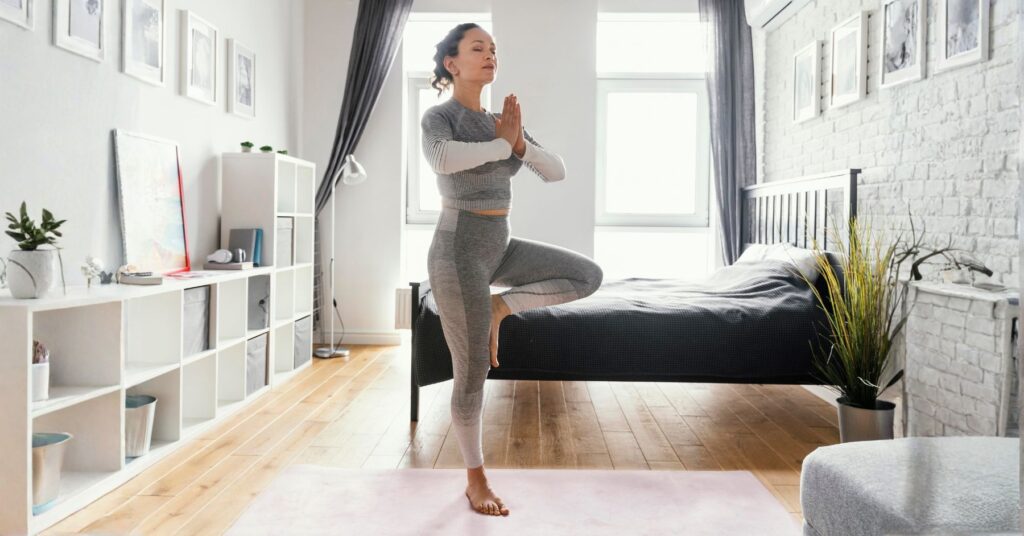
Getting up off the floor is not just one skill. It is a combination of several important physical qualities working together.
You need mobility to lower yourself down comfortably. Strength and stability to control the movement. Balance to stay steady. Coordination to organize the entire process.
This is why the Sit-to-Rise test can be so telling. It is not about perfection. It is about how all these systems are working together in your body.
Think of it as a snapshot of your overall function.
A helpful practice here is to break the movement into smaller pieces. For example, spend time in a supported squat or a gentle lunge. These positions build the strength and control needed for transitions.
How to Practice and Improve This Skill
The most important thing to remember is this… your body adapts to what you practice.
If you stop getting down to the floor, it becomes harder. If you continue practicing, even in a modified way, your body maintains and improves that ability.
Start where you are. You might begin by sitting on a cushion or a low surface instead of the floor. You can use yoga blocks or a sturdy chair for support. Over time, you can gradually decrease the amount of assistance you use.
You can also work on hip mobility to make the movement feel more accessible. Gentle joint movements and slow transitions go a long way here.
One of my students started by needing both hands and a chair to stand up. Over a few months of consistent, gentle practice, she was able to reduce her support significantly. Not because she pushed harder… but because she practiced regularly.
That is where real change happens.
Bringing It All Together
Getting up and down off the floor is not about passing a test. It is about maintaining the ability to move through your life with confidence and ease.
This one movement reflects strength, balance, mobility, and coordination. And all of these can be improved with consistent, supportive practice.
Start small. Use support. Stay curious about your body.
If this is something you want to work on more intentionally, I invite you to join me for a guided practice where we explore this step by step.
👉 If getting up and down off the floor feels challenging, join me for a class designed to help you build this skill safely and gradually.
Until next time, keep moving with intention and joy.
Connect with Mikah
Try 7 Days Free in Lifelong Yoga Online
Work with Mikah 1:1: Private Yoga Therapy
Instagram: @lifelong.yoga
Facebook: Lifelong Yoga with Mikah