Yoga for Longevity in 2026: A Simple Plan to Start at Home
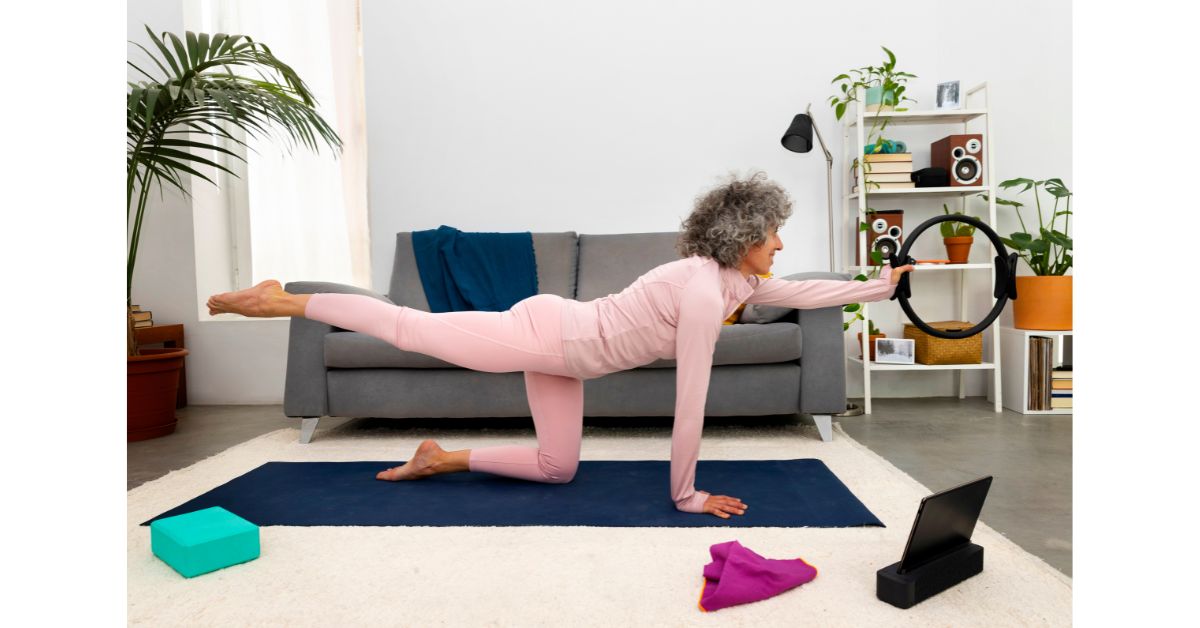
A new year often arrives with mixed feelings… a little stiffness from winter, a little fatigue from the holidays, and a real desire to feel better in your body. The challenge is knowing where to begin. Today we’re simplifying that starting point with a grounded, realistic way to build a home yoga practice in 2026… one that supports your long-term health no matter your age or experience level.
This post is adapted from Yoga for Longevity, my podcast where I share therapeutic yoga tools for healthy aging. I’m Mikah Horn, yoga therapist and founder of Lifelong Yoga Online, a membership designed especially for adults 50+. If you’re looking for a way to put the things you learn in this episode into practice, you can explore it free for 7 days, with gentle classes for joint health, healthy hips, posture, and more.
The Five Pillars That Support Lifelong Movement
A long term yoga practice doesn’t depend on flexibility or fancy poses. It depends on understanding what truly matters for your health. The five pillars of movement longevity offer exactly that clarity. They create a foundation that keeps your practice simple, purposeful, and sustainable.
Mobility, strength and stability, balance, posture, and flexibility each shape the way your body ages. When you focus on these core elements, you build a yoga practice that supports independence, ease, and vitality for years to come.
Practice Tip
Try a 60-second body check every morning. Notice what feels stiff, heavy, or sluggish. This simple awareness helps you choose the practice your body needs most that day.
Pillar One: Mobility
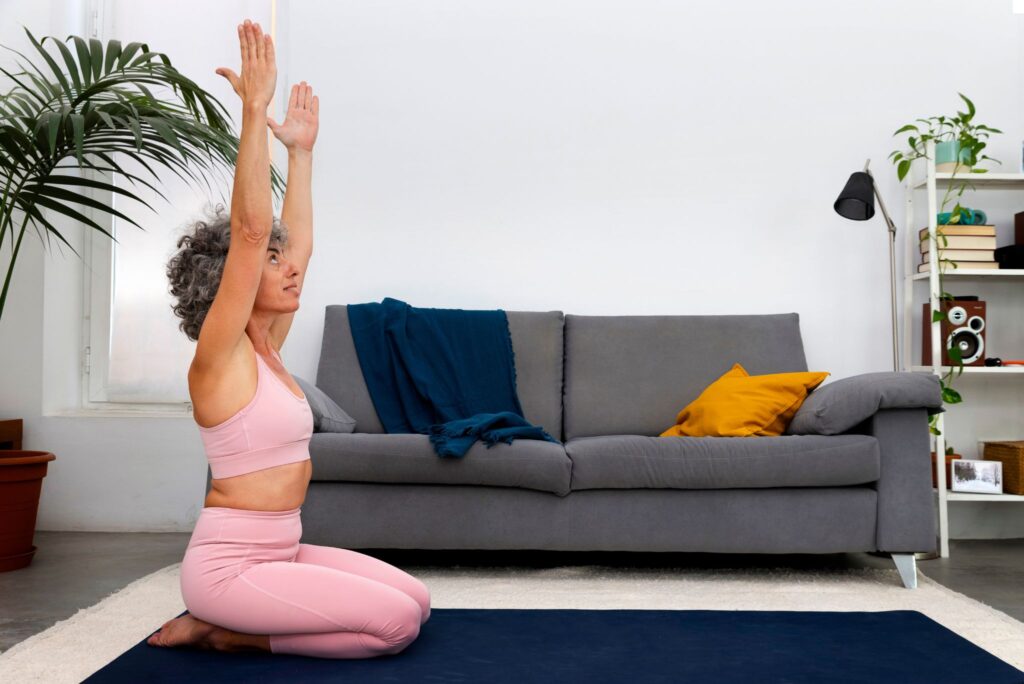
Mobility is your ability to move your joints comfortably through their natural range. Many people begin losing mobility in their thirties and forties simply because life becomes more sedentary… not because anything is wrong. The encouraging part is that mobility responds quickly. Even a few minutes of gentle joint movement increases lubrication, circulation, and ease.
Think about the daily tasks mobility supports. Turning your head while driving. Reaching to a tall shelf. Stepping confidently onto a curb. Getting down to the floor and back up. These are small moments, but they shape your independence.
Practice Tip
Try a short joint-freeing sequence: slow circles for the wrists, ankles, hips, and shoulders. Five minutes can change how your body feels for the rest of the day.
Pillar Two: Strength and Stability
Strength becomes more essential with every decade. We naturally lose muscle mass as we age, and that loss accelerates after 60. Strong muscles support your bones, joints, balance, metabolic health, and energy. But strength alone isn’t the whole picture. Stability… your ability to control movement… is what keeps you steady, coordinated, and safe.
Yoga builds strength through longer holds, body-weight work, and mindful transitions. It builds stability through controlled movement and attention to alignment. Together they support the movements you rely on every day.
Practice Tip
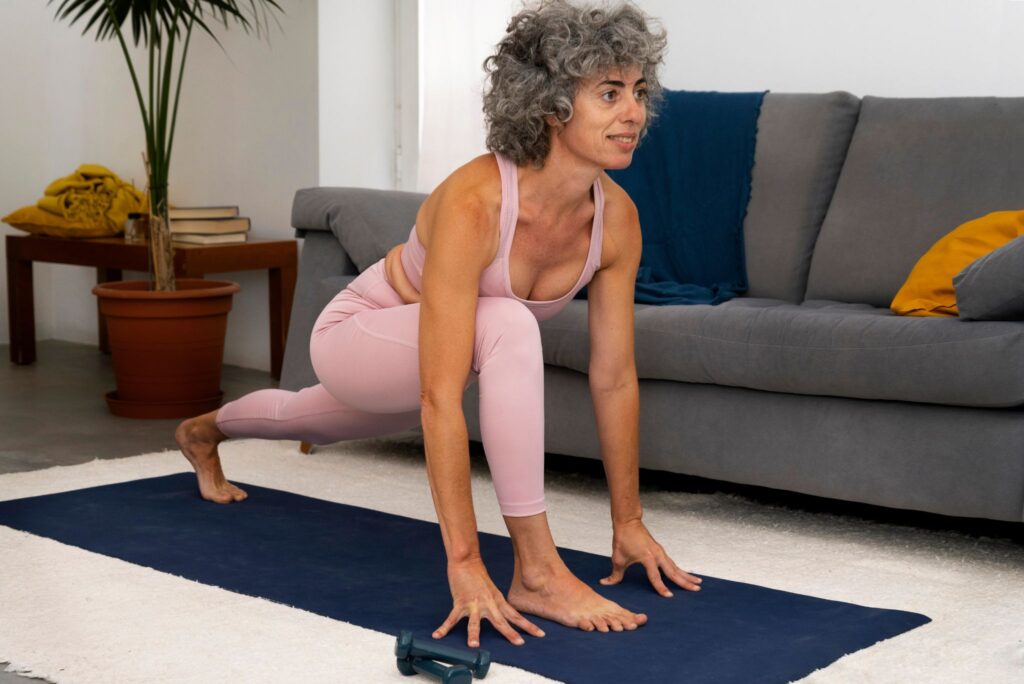
Choose one simple strengthening move this week… maybe supported chair squats or a standing lunge. Focus on slow, steady control rather than intensity.
Pillar Three: Balance
Balance is one of the strongest predictors of long-term independence. Yet most people don’t think about it until they start feeling unsteady. One in four adults over 65 experiences a fall each year, typically during ordinary movement like turning or reaching.
Balance training improves proprioception, coordination, reaction time, and confidence. And confidence matters. When you trust your balance, you move more… and movement feeds directly into better strength and mobility.
Practice Tip
Stand near a counter for safety. Shift your weight slowly from one foot to the other. Feel the whole foot on the ground. This gentle training builds the foundation for more advanced balance work.
Pillar Four: Posture
Posture isn’t about holding yourself in a rigid position. It’s about alignment that allows strength, breath, and ease. Forward head posture, rounding, and pelvic imbalances often increase with age and contribute to back pain, tension, and fatigue.
Posture-focused yoga balances these patterns. It strengthens the upper back, opens the chest, supports the hips, and helps the core engage naturally. When your posture is supported, your breath deepens and your energy increases.
Practice Tip
Try a gentle chest opener by interlacing your hands behind your back or placing them on your low back. Lift your heart softly and breathe into your upper ribs.
Pillar Five: Flexibility
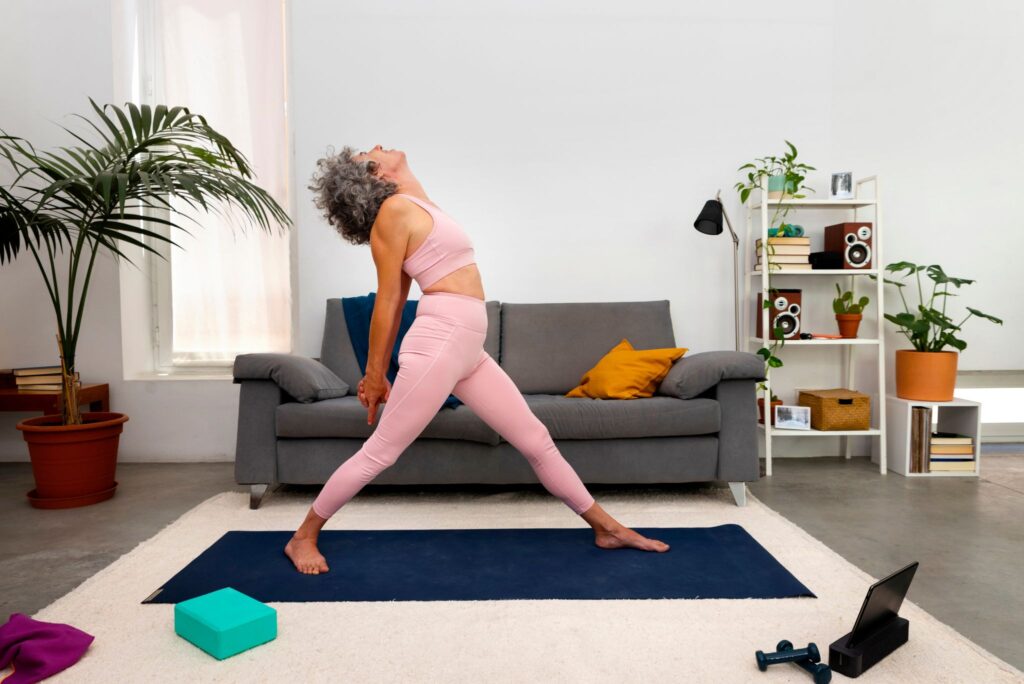
Flexibility is your muscles’ ability to lengthen so you can move without feeling restricted. It naturally decreases with age unless we maintain it, but gentle consistency is far more effective than force. Overstretching can actually make the body tighten in self-protection.
Flexibility pairs beautifully with mobility. Mobility frees the joints and flexibility frees the surrounding tissues. Together they create comfort and freedom in your body.
Practice Tip
Choose one gentle stretch you enjoy and stay for 20 to 30 seconds with slow breathing. Let the body soften on its own.
Bringing It All Together
When you combine mobility, strength, balance, posture, and flexibility… and you practice with mindful awareness and calm, steady breathing… your body learns more efficiently. Movement becomes smoother. Confidence grows. Effort decreases. This is the heart of therapeutic yoga and the foundation of every class inside Lifelong Yoga Online.
If you’d like a simple way to bring these five pillars into your week, here’s a realistic rhythm:
- Monday: Mobility + flexibility
- Wednesday: Strength + balance
- Friday: Posture reset + breath awareness
Consistency matters far more than intensity. These short sessions create meaningful change when repeated over time.
👉 If you want support, structure, and a balanced plan already laid out for you, come join us inside Lifelong Yoga Online. Yoga for Beginners Over 50 is a new program inside the membership, with your first 30 days of guided practice for every pillar. You can join through the Lifelong Yoga Membership, where the program will be available when it launches in January.
Until next time, keep moving with intention and joy.
References
- American College of Sports Medicine (ACSM). Exercise and Physical Activity for Older Adults.
- Harvard Health Publishing. Flexibility and Stretching: Keeping Your Body Fit.
- National Institute on Aging (NIA). Falls and Older Adults.
- National Institute on Aging (NIA). Muscle Loss and Aging.
- Journal of Aging Research. Age-Related Changes in Joint Range of Motion.
- National Institutes of Health (NIH). Physical Activity and Healthy Aging.
Connect with Mikah
Membership: Lifelong Yoga Online
Work with Mikah 1:1: Private Yoga Therapy
YouTube: @yogawithmikah
Instagram: @lifelong.yoga