The Real Reasons Yoga Improves Your Balance (Not What You Think)
Aging brings changes we do not always expect… a little less steadiness, a little more hesitation, a little more caution in everyday movement. But balance is not something you simply lose and have to accept. It is a skill you can keep practicing. And one of the most effective ways to do that is through yoga, because yoga trains far more than a single pose or a single muscle. It helps you build the strength, awareness, mobility, and confidence that support steadiness in real life.
This post is adapted from Yoga for Longevity, my podcast where I share therapeutic yoga tools for healthy aging. I’m Mikah Horn, yoga therapist and founder of Lifelong Yoga Online, a membership designed especially for adults 50+. If you’re looking for a way to put the things you learn in this episode into practice, you can explore it free for 7 days, with gentle classes for joint health, healthy hips, posture, and more.
Strength and Stability Are the Foundation of Better Balance
When you start to lose your balance, your body has to respond quickly. Your ankles make small corrections. Your hips help steady you. Your core helps manage the shift in weight. If those systems are under-conditioned, it becomes much harder to recover.
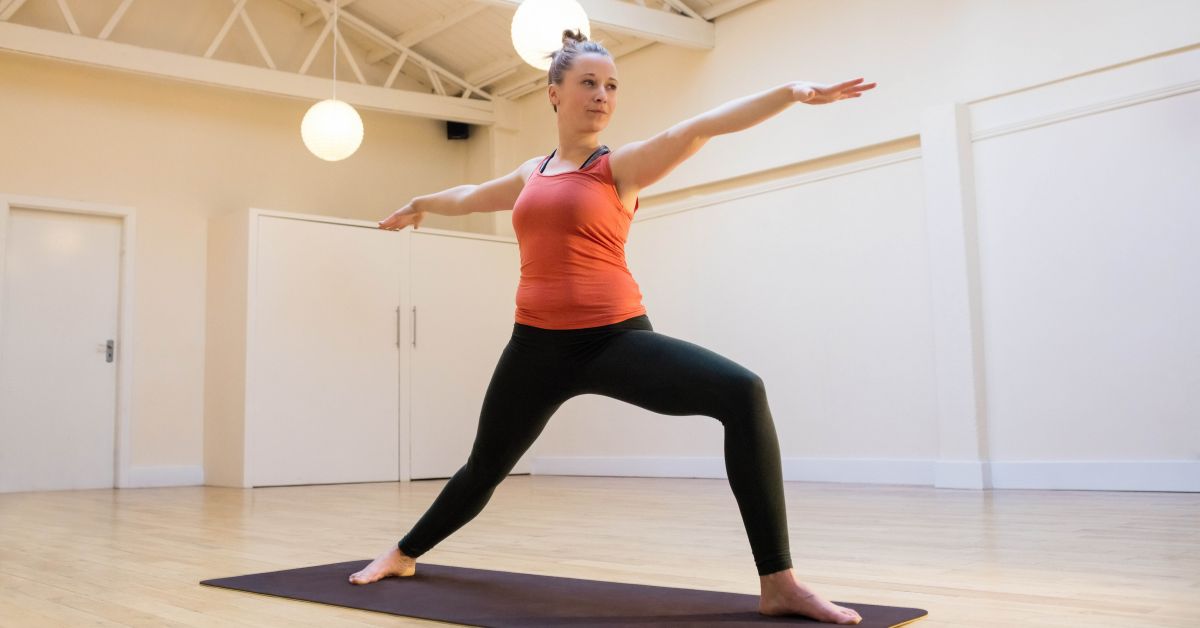
This is one reason yoga can be so helpful. Many yoga poses build strength using your own body weight as resistance. Poses like Warrior I and II, Chair Pose, and Boat Pose ask the legs, hips, and core to work together. Over time, this can improve the very muscles that help keep you upright and stable.
The beautiful thing is that yoga builds this strength mindfully. You are not just pushing through repetitions. You are paying attention to how you stand, how you distribute weight, and how your body responds.
A simple practice tip is to hold a strong standing pose for a few steady breaths and notice what is working. Feel your feet pressing down. Feel your legs supporting you. Feel your center helping you stay organized. That kind of intentional strength work carries over into daily life.

Mobility and Body Awareness Help You Adjust
Balance is not only about strength. Your body also needs enough mobility to make quick adjustments when the ground shifts or your weight moves unexpectedly.
Your ankles are especially important here. They are often the first place your body responds when balance is challenged. If your ankles are mobile and responsive, they can make those small corrections more easily. If they are stiff, even a small bump in the sidewalk or uneven patch of ground can feel much more disruptive.
Yoga supports mobility in the ankles, hips, and spine… all areas that help you adapt when life does not give you a perfectly flat, predictable surface.
It also improves body awareness, or proprioception. This is your body’s ability to sense where it is in space. In yoga, you slow down enough to notice subtle things… where your weight is shifting, whether one foot is pressing more than the other, whether your arm is really where you think it is. That awareness strengthens the communication between your brain and your body.
Your feet matter here, too. They are full of sensory receptors that give your brain information about pressure and position. Practicing barefoot, when appropriate, can help increase that feedback and improve your connection to the ground.
A helpful place to start is simply standing in a pose and noticing. Can you feel the four corners of each foot? Can you tell whether you are leaning forward or back? Those small observations are part of balance training.

Yoga Trains Real-Life Balance… and Rebuilds Confidence
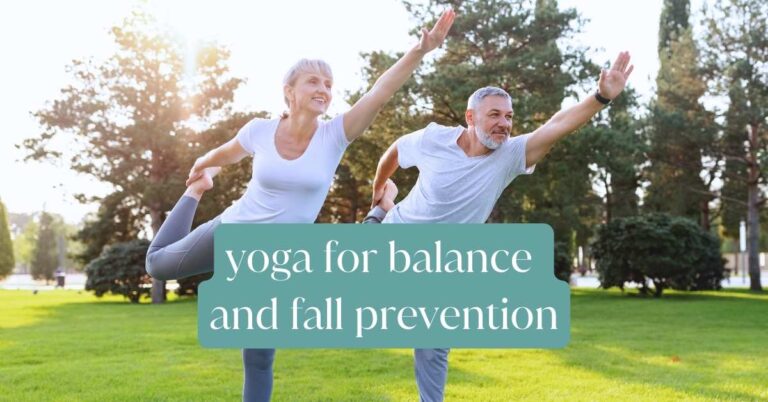
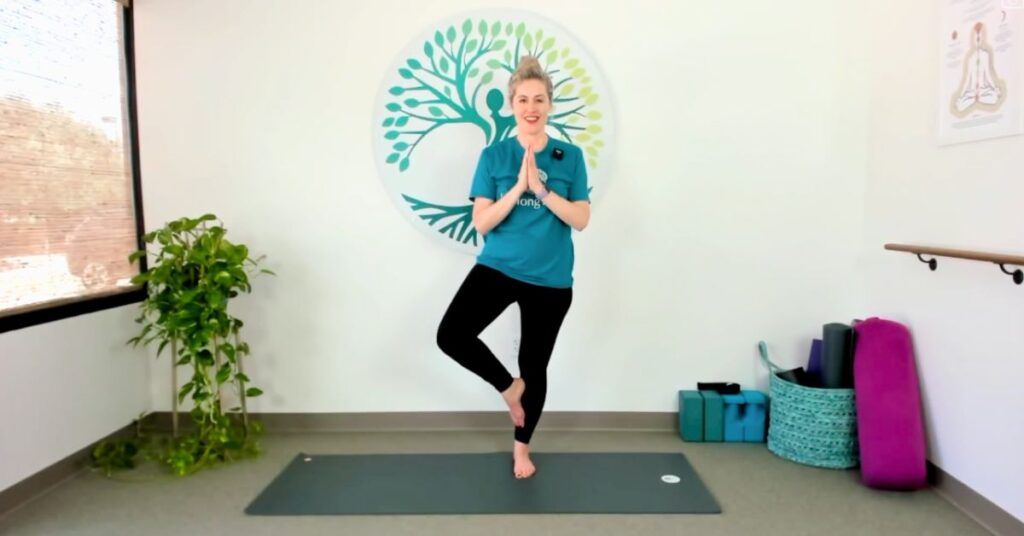
When most people think about balance, they think about holding still in a pose like Tree Pose. That is static balance, and it absolutely matters. Holding a posture builds stability, focus, and awareness.
But in daily life, most falls do not happen while we are standing perfectly still. They happen while stepping off a curb, turning around, reaching for something, or walking across uneven ground. That is dynamic balance… staying steady while your body is moving.
Yoga can train both. You might hold a posture to build control, then move through a slow transition that asks you to shift weight with awareness. That combination is what makes yoga so practical. It helps prepare you not just for the mat, but for everyday movement.
Just as important is confidence. After a fall, or even after feeling unsteady for a while, many people begin to move with fear. They shuffle. They look down more. They avoid activities they used to enjoy. Over time, that can lead to less movement, less strength, and even more uncertainty.
Yoga offers a gentle way back. You can practice near a wall, use a chair, move slowly, and make each challenge feel manageable. Those small wins matter. They help restore trust in your body.
One student, Linda, came to yoga because she wanted to feel steady enough to return to playing golf with her friends. She had started holding back because she felt unsteady and self-conscious. With consistent practice, her balance improved gradually, and she got back to doing something she loved. That is the kind of progress that is possible when you work with your body patiently and consistently.
Bringing It All Together
Yoga can improve balance because it works on the whole system… strength, mobility, body awareness, present-moment attention, dynamic control, and confidence. That is what makes it so powerful for healthy aging and fall prevention.
You do not need a perfect practice. You just need a consistent one. A few minutes of intentional balance work several times a week can add up in meaningful ways over time.
If bone health is also on your mind, this work becomes even more important. Preventing falls is a big part of protecting your bones. I have been developing a new program called Strong Bones Safe Yoga, and if that speaks to you, click here to sign up for the interest list.
Until next time, keep moving with intention and joy.
Connect with Mikah
Try 7 Days Free in Lifelong Yoga Online
Work with Mikah 1:1: Private Yoga Therapy
Instagram: @lifelong.yoga
Facebook: Lifelong Yoga with Mikah