Over 50? Here’s Why You Should Start Yoga Right Now
Aging brings wisdom we wouldn’t trade… but also changes we didn’t exactly ask for. Muscles feel tighter, balance less steady, and recovery takes longer. The question isn’t whether movement matters as we age. It’s what kind of movement actually supports us long term. This is where yoga stands out in a way few other practices can.
This post is adapted from Yoga for Longevity, my podcast where I share therapeutic yoga tools for healthy aging. I’m Mikah Horn, yoga therapist and founder of Lifelong Yoga Online, a membership designed especially for adults 50+. If you’re looking for a way to put the things you learn in this episode into practice, you can explore it free for 7 days, with gentle classes for joint health, healthy hips, posture, and more.
Yoga Works on the Whole System, Not Just One Part
When most people think of yoga, they think of stretching or relaxation. And yes, yoga helps with both. But what truly makes yoga different is that it works on multiple systems in the body at the same time.
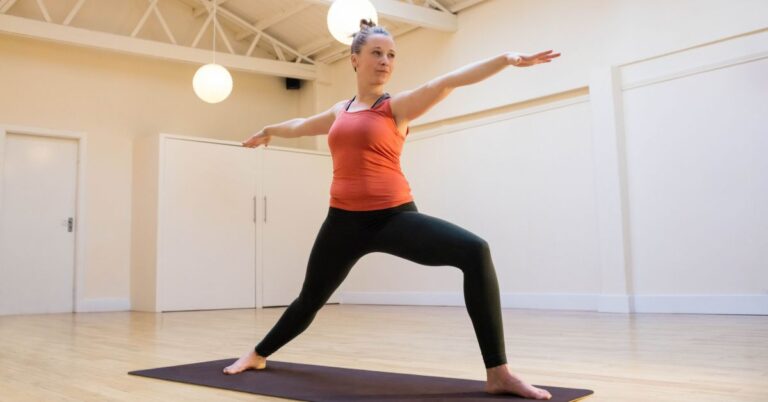
In a single practice, you’re training muscles and joints, balance and coordination, breath and nervous system regulation, and body awareness. That combination becomes increasingly important as we get older.
There’s a phrase often shared in yoga spaces. Yoga is not just a workout, it’s a work in. Yoga is absolutely physical exercise. But it also invites you to pay attention. You notice sensation. You feel your breath. You observe how your body responds. Over time, this builds a stronger connection to yourself in a very practical, embodied way.
That inner connection is one of the reasons yoga tends to stick with people long term. It’s adaptable, sustainable, and truly lifelong.
Practice tip: During your next class, notice not just what you’re doing, but how it feels. That awareness is part of the practice, not an extra.

Flexibility, Strength, and Stability All Working Together
Flexibility does matter as we age. A regular yoga practice helps maintain elasticity in muscles and fascia, the connective tissue that surrounds muscles and joints. Without regular movement, these tissues tend to stiffen over time.
Yoga gently and consistently takes the body through a wide range of positions. This doesn’t just make you more flexible. It helps you move more freely and with less effort. Yoga also supports joint health by moving joints through their healthy range of motion, helping them feel smoother and less stiff.
But mobility alone isn’t enough. We also need strength and stability to support our joints and posture.
Yoga builds functional, bodyweight strength that shows up in real life. Longer holds, mindful transitions, and cues like hugging muscle to bone help develop strength from the inside out. This kind of strength supports the hips, knees, spine, and shoulders, giving your mobility something to rest on.
When strength, stability, and flexibility work together, movement feels easier and more secure.
Practice tip: Focus less on how deep a pose looks and more on how supported you feel. Stability is just as important as range of motion.

Balance, Awareness, and Fall Prevention
One of yoga’s most powerful benefits for healthy aging is how it improves body awareness.
Yoga encourages you to slow down and pay attention to how you move, not just whether you can get into shape. This improves proprioception, your body’s ability to sense where it is in space.
Better proprioception means you can adjust more quickly if something feels off. You’re better able to shift your weight, respond to changes, and recover if you lose balance. This is a huge factor in fall prevention.
Balance in yoga isn’t just about standing on one foot. It’s about training your body to sense and respond in real time. That’s why intentional awareness and balance work show up in nearly every Lifelong Yoga class.
Practice tip: When you’re practicing balance, let small wobbles happen. Your body learns through those moments of adjustment.

Supporting Heart Health and the Nervous System
Yoga also positively influences cardiovascular and metabolic health. Research shows that consistent practice can support healthy blood pressure, circulation, and heart rate variability. These changes are closely tied to how the nervous system and cardiovascular system communicate.
Yoga may not look like traditional cardio, but holding postures, transitioning between positions, and coordinating movement with breath all place meaningful demands on the body.
Just as important are the nervous system benefits. Yoga helps shift the body out of a constant stress response and into a more regulated state. Many people notice improvements in sleep, mood, and overall stress levels with consistent practice.
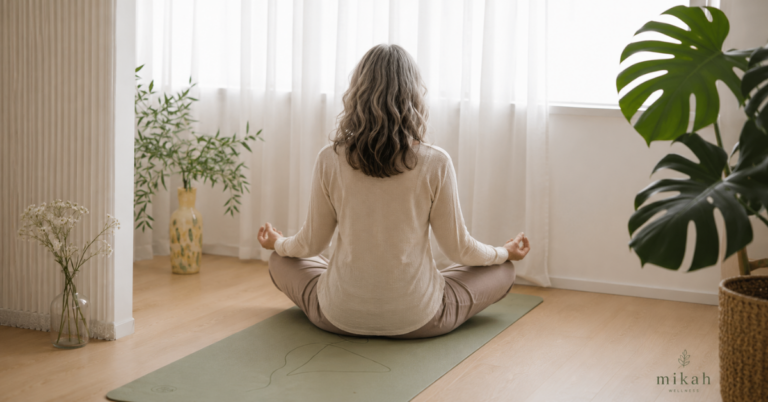
This isn’t because yoga forces relaxation. It’s because it builds resilience. Yoga gives your nervous system repeated opportunities to practice regulation. Moving, breathing, and paying attention at the same time creates what I often call a moving meditation.
That awareness also reduces injury risk. You learn to notice early warning signs, to modify when needed, and to rest without guilt.
Practice tip: Pair your movements with steady, unforced breathing. Breath is one of the most direct ways to support nervous system regulation.

Why Yoga Is the Perfect Starting Point Over 50
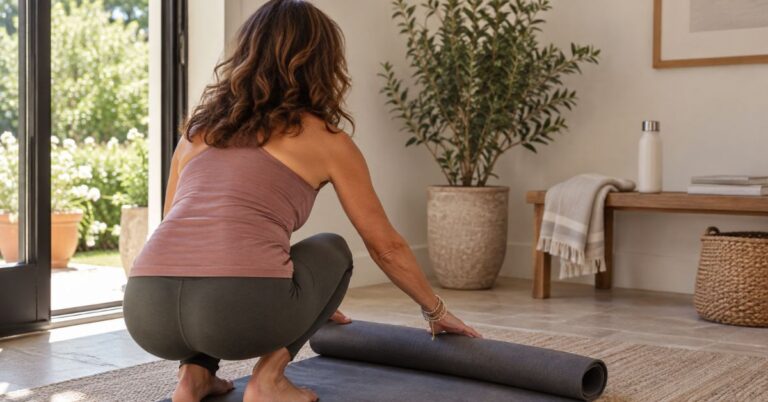
Yoga meets you where you are. Whether you’re brand new, returning after a break, or navigating aches and limitations, yoga adapts to your body. Props, modifications, and varied pacing make it accessible and supportive.
Yoga also teaches skills that carry into everything else you do. Many Lifelong Yoga members use their practice to support physical therapy, strength training, swimming, walking, or other activities. Learning how to breathe, move with awareness, and listen to your body makes all movement feel more approachable and less intimidating.
Yoga doesn’t replace everything else. It supports everything else.
Bringing It All Together
Yoga works because it addresses strength, flexibility, balance, awareness, and nervous system health all at once. These are the foundations that matter most as we age.
You don’t need long or intense practices to begin seeing benefits. Consistency matters far more than intensity. Even short, gentle practices can create meaningful change over time.
If you’ve been curious about yoga or unsure where to start, this is exactly why I created the free Yoga for Beginners Over 50 Challenge starting January 19. It’s a supportive, realistic way to experience the benefits we’ve talked about here in classes designed specifically for your body.
Until next time, keep moving with intention and joy.
Connect with Mikah
Membership: Lifelong Yoga Online
Work with Mikah 1:1: Private Yoga Therapy
YouTube: @yogawithmikah
Instagram: @lifelong.yoga