The Science of Intention
Every January, many of us feel the pull to change something about how we move, eat, or take care of ourselves. We start with motivation and good intentions… and then real life steps in. Schedules get full. Energy dips. The plan starts to feel heavy. When that happens, it is not a personal failure. It is a clue. Lasting change does not come from pressure. It comes from learning how to work with your body and your nervous system, not against them.
This post is adapted from Yoga for Longevity, my podcast where I share therapeutic yoga tools for healthy aging. I’m Mikah Horn, yoga therapist and founder of Lifelong Yoga Online, a membership designed especially for adults 50+. If you’re looking for a way to put the things you learn in this episode into practice, you can explore it free for 7 days, with gentle classes for joint health, healthy hips, posture, and more.
Why Most Resolutions Don’t Last
By the second week of January, a large percentage of people have already abandoned their New Year’s resolutions. This pattern even has a nickname… National Quitter’s Day. While it is easy to laugh about, there is real science behind why this happens.
Most resolutions are built on rules and unrealistic expectations. Exercise five days a week. Never miss a practice. Cut something out completely. These rules can work when life is calm, but life is rarely calm for very long. As soon as stress, illness, travel, or fatigue show up, the rule becomes hard to follow. One missed day can quickly turn into “I’ve already failed, so why bother?”
From a nervous system perspective, this all-or-nothing response makes sense. Pressure and self-criticism tend to shut down the parts of the brain that help us adapt and make thoughtful choices. When that happens, consistency is almost impossible.
A simple practice tip here is to notice how you speak to yourself when plans fall apart. That inner voice often tells you whether you are operating from pressure or from support.

Intention Versus Resolution
An intention is not a goal or a checklist. It is not about achieving a specific outcome. An intention is a direction. It guides how you move, how you respond, and how you show up, even when things do not go as planned.
A resolution might sound like, “I will exercise five days a week.”
An intention sounds more like, “I move my body with care,” or “I listen to what my body needs.”
The difference matters. A resolution tells you what to do. An intention reminds you how you want to be while you do it.
When you are working with an intention and you miss a practice, the question changes. Instead of “What is wrong with me?” it becomes “What would support me right now?” That might mean doing less, changing the plan, or resting without guilt. This flexibility keeps your nervous system engaged rather than overwhelmed.
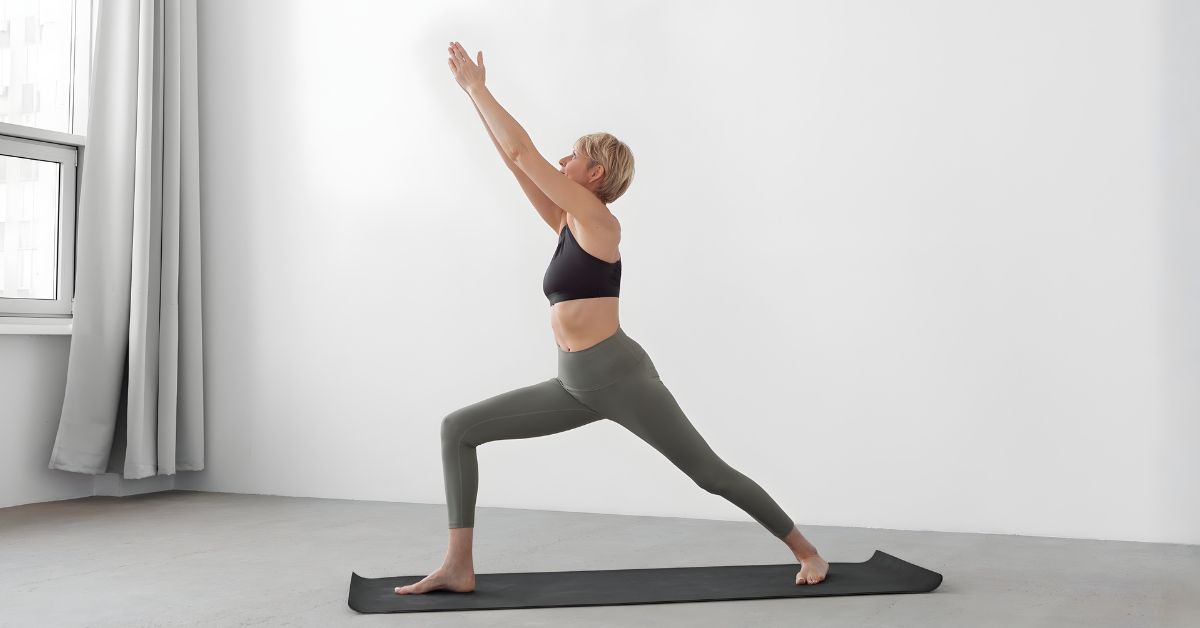
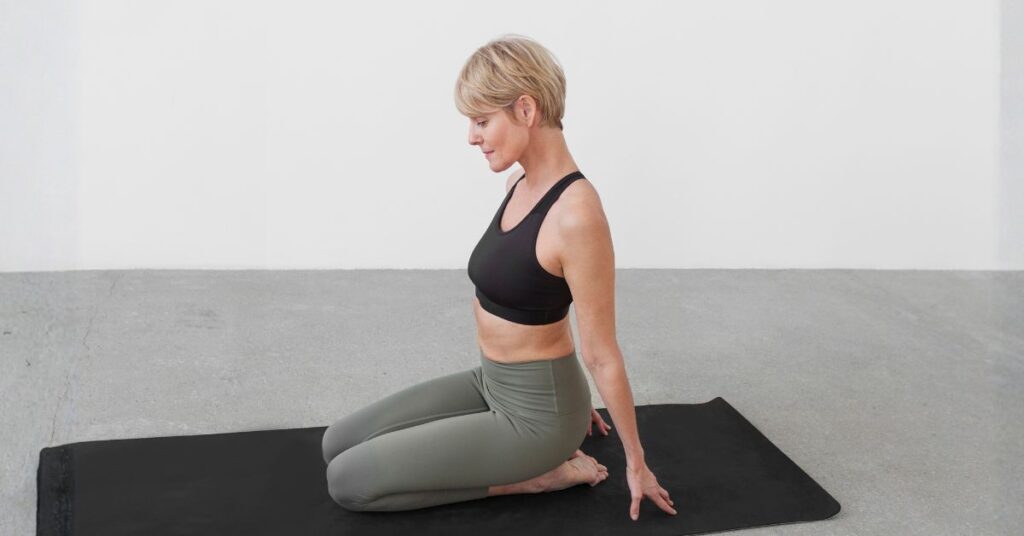
In yoga practice, this might look like choosing fewer poses and moving more slowly on a low-energy day… while still honoring your intention to move with care.
The Brain, Attention, and Adaptability
From a neuroscience standpoint, the brain does not change through force. It changes through attention and repetition. Intention keeps your attention involved, even on imperfect days.
When you check in with your intention, you are engaging the prefrontal cortex, the part of the brain responsible for decision-making, adaptability, and self-regulation. This is very different from operating on autopilot or reacting to stress.
I often describe intention as an anchor. In a yoga class, it is something you come back to when your mind wanders or when judgment creeps in. In daily life, it works the same way. When you feel scattered, you return to it. When you are unsure which choice supports you, you pause and check in.
A helpful practice is to pause before reacting and silently ask, “What does my intention suggest here?” Even that brief pause can change how you respond.

Choosing a Word of the Year
One of the simplest ways to work with intention is to choose a single word for the year. Not something you want to accomplish, but a quality you want to bring into how you live, move, and relate to yourself.
Words like grounded, present, supported, strong, or at ease can all work. You do not need the perfect word. You just need one that resonates.
I choose a word each year as well. Last year, mine was “root to rise,” a reminder that growth needs a strong foundation. This year, my word is “vibrant.” For me, that does not mean constant high energy or being upbeat all the time. It means feeling good in my body most days, having enough energy to show up for my loved ones and students, and allowing myself to be visible in my work without burning out.
That word helps guide my decisions without pressure. It gives me direction, not rules.
Writing your word down and placing it somewhere visible can be a powerful reminder, especially when the year starts to feel busy.

Bringing It All Together
You do not need another resolution that fades out by February. You need a direction that still works when life gets messy and plans change. Intention offers that flexibility. It supports consistency without perfection and invites you to work with your body, not against it.
If you are feeling called to move more gently and consistently this year, I would love to support you. Lifelong Yoga Online is designed to help you build strength, ease, and confidence in a way that respects your body and your nervous system.
Until next time, keep moving with intention and joy.
Connect with Mikah
Membership: Lifelong Yoga Online
Work with Mikah 1:1: Private Yoga Therapy
YouTube: @yogawithmikah
Instagram: @lifelong.yoga