Can You Get Up and Down Off the Floor? What the Sit-to-Rise Test Tells Us About Healthy Aging
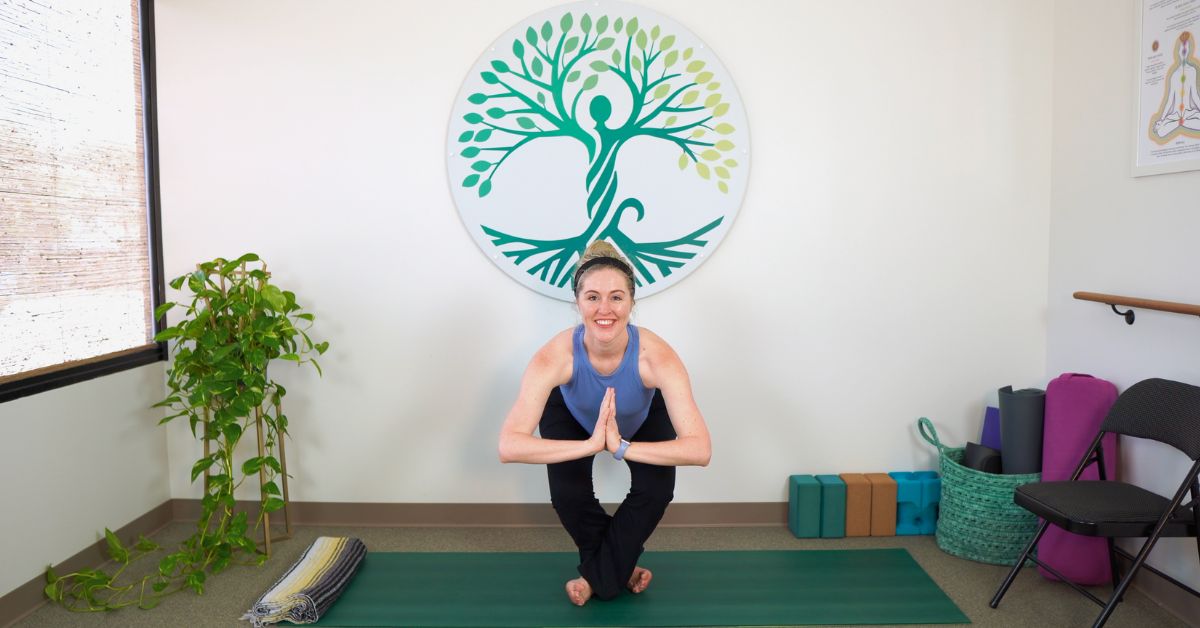
How easily can you get down and back up off the floor?
It might sound like a simple party trick, but this “sit-to-rise” test tells us a lot about your body.
Some research even suggests it could be a window into your overall health and how confidently you’ll move through life’s next chapters. In this post, you’ll learn how to try the test, how to score it, what your score really means (hint: it’s not about perfection!), and most importantly, how to make steady progress, step by step.
What Is the Sit-to-Rise Test?
Let’s start with the basics. The sit-to-rise test asks you to lower yourself from standing to the floor and then stand back up again, using as little support as possible.
Simple, but don’t be surprised if it feels trickier than it sounds! This move puts your strength, balance, and mobility to the test (all qualities that help you stay active and independent).
The Brazilian Study: Does This Really Predict Longevity?
The test rose to fame after a study in Brazil followed over 2,000 adults between the ages of 51 and 80. The researchers found that participants with higher sit-to-rise scores had a lower risk of dying over the next six years.
Big claim, right? Let’s take a breath. What this test really shows us are some of the key ingredients for healthy aging: strength, balance, mobility, and control. These are the building blocks that help you enjoy your favorite activities, travel, garden, or simply keep up with daily life.
How to Do the Sit-to-Rise Test (Safely)
Here’s how to give it a try:

- Start standing tall and cross one leg in front of the other.
- Slowly lower yourself all the way to a seated position on the floor, without using your hands, knees, or any other support if possible.
- When you’re ready, stand back up the same way—again, using as little support as you can.
Remember, safety always comes first. If you need to use your hands, knees, or a sturdy chair, go for it. This is all about noticing where you are today and meeting your body with curiosity.
How Is the Sit-to-Rise Test Scored?
The scoring system keeps things simple and honest:
- You start with 10 points total: 5 points for sitting down, 5 points for standing back up.
- Each time you use a hand, knee, or extra support, subtract 1 point.
- If you wobble or lose your balance, subtract half a point.

Let’s say you needed your hand once on the way down (minus 1), but got back up without help. That’s a score of 9. If you needed both knees on the way up, that’s minus 2, so you’d have 8.
And here’s a friendly reminder: Only about 8% of folks over 55 score a perfect 10. So if you’re not there, welcome to the club. You’re in good company.
What your sit-to-rise score really means (and why it matters!)
First things first: your score isn’t a grade, and it’s certainly not a verdict on your future. It’s just a friendly check-in. A snapshot of where your body is right now.
You might have a knee replacement, joint pain, a tricky back, or just a day where everything feels a little more creaky than usual. Just do what you can.
Here’s what truly matters:
Every time you practice getting up and down off the floor, you’re building strength, mobility, and confidence. This skill is about so much more than “points.” It’s tied to your independence, your ability to play with grandkids (or pups), and to keep doing the little things that bring you joy.
Every time you practice getting up and down off the floor, you’re building strength, mobility, and confidence.
mikah horn
So celebrate the small wins. Maybe you needed to use a hand today, but next time you won’t. Maybe you felt wobbly, but you gave it a go anyway. That’s progress!
You’ve got this. And remember that we’re exploring what’s possible, not chasing perfection. Every attempt counts, and every body is welcome here.
Tips to improve your sit-to-rise score
Here comes the fun part. You can absolutely improve your score (and your everyday movement) with simple, doable practice. Here are a few ways to get started:
1. Improve your hip mobility with seated windshield wipers
Sit on the floor with your knees bent and feet wide. Lean back on your hands. Let your knees drop side to side, aiming for the floor, but without any forcing or straining. Want a little more challenge? Walk your hands in closer, or try it with no hands at all.
This helps improve our hip external and internal rotation.

Listen to your body. Every repetition is a step toward more ease in your hips.
2. Improve your lower body strength with chair pose
Stand with your feet hip-width apart, toes pointing forward. Bring your hands to your heart or reach them forward. Sit your hips back as if you’re settling into an invisible chair, shifting weight into your heels. Lower down as far as comfortable, then rise back up.

If you’d like to challenge yourself a little more, try lifting one foot slightly as you sit back. You can always use a wall or chair for backup.
3. Practice the sit-to-rise movement YOUR way
Just keep practicing it. The more you try getting up and down off the floor, the more your body gets used to the movement, and the easier it becomes over time.
Here are a few friendly reminders:
- Use support if you need it: a chair, a stool, your hands, or whatever else you need to get up or down.
- Switch things up by crossing the other leg in front or adjusting your foot position.
- Try using momentum to get back up off the floor by rocking back and forth.
There’s no single “right way” to do this. The real magic is in simply practicing regularly, meeting your body where it is, and discovering what works for you.
Maybe you need to use a hand, both knees, or a chair right now. That’s absolutely fine! Every attempt counts. Your body is your lifelong home. Every bit of movement, with care and curiosity, makes a difference.
Your body is your lifelong home. Every bit of movement, with care and curiosity, makes a difference.
mikah horn
Want to boost your sit-to-rise score? Start with healthy hips!
If you’d like a little extra support, I put together a free printable guide: 5 Yoga Poses for Healthy, Pain-Free Hips.
These poses are designed to build the strength and mobility you need to make getting up and down off the floor feel easier and more doable. In other words, they’re exactly what you need to improve your sit-to-rise score (and help your hips feel happier, too).
The bottom line
The sit-to-rise test is just one tool for checking in on your mobility, strength, and balance. It’s not a measure of your worth. It’s a way to meet your body where it is and gently encourage it toward more freedom and confidence.
Keep practicing. Celebrate the small wins. And if you ever want a little extra encouragement (or just a community of friendly folks who get it), you’re always welcome inside Lifelong Yoga Online. We make healthy movement doable (and yes, a little more fun) at every age.
You’ve got this. Your body will thank you.