What Your Posture is Telling You About Your Health
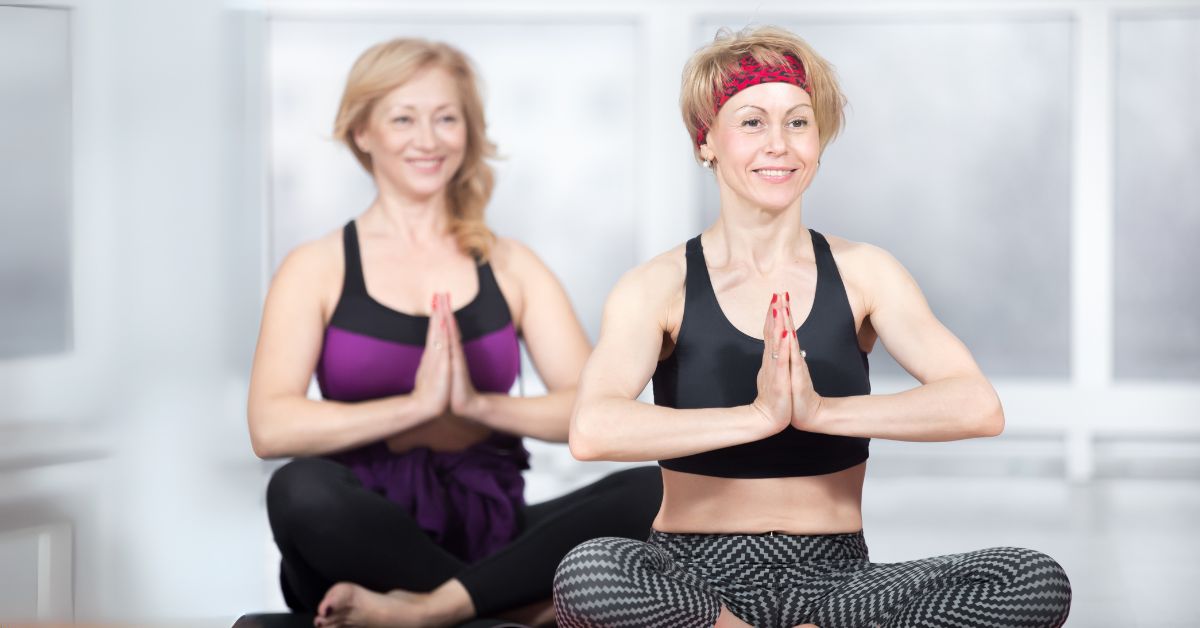
What if your posture isn’t just about how you look, but about what your body is trying to tell you? Posture can be a window into how you’re moving, where you’re tight or weak, and even how you’re breathing and managing stress. When you learn to read these signals, you can make changes that support comfort, confidence, and longevity.
This post is adapted from Yoga for Longevity, my podcast where I share therapeutic yoga tools for healthy aging. I’m Mikah Horn, yoga therapist and founder of Lifelong Yoga Online, a membership designed especially for adults 50+. If you’re looking for a way to put the things you learn in this episode into practice, you can explore it free for 7 days, with gentle classes for joint health, healthy hips, posture, and more.
Posture as a Reflection of Deeper Patterns
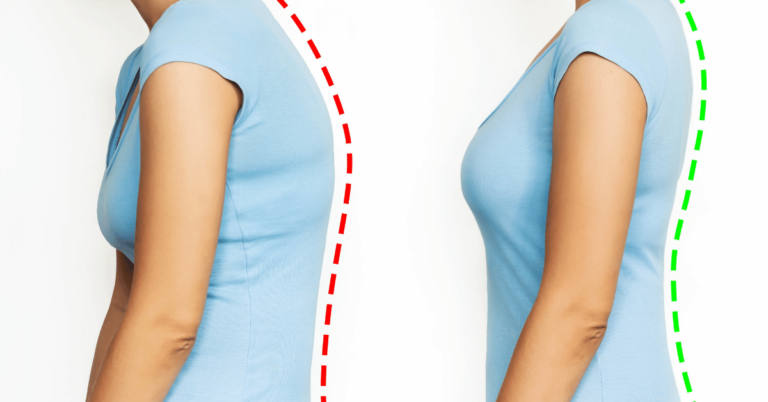
Posture isn’t just a checklist of “shoulders back, stand tall.” It reflects much more. Tight muscles, underused areas, daily habits, and even breathing patterns show up in how you hold yourself. Ignoring these signals can allow small imbalances to snowball into chronic aches. Neck tension, low back pain, or feeling off balance are often just the body’s way of saying something needs attention.
Practice tip: Instead of trying to “fix” posture by forcing yourself upright, start noticing where your body feels tense or unsupported. Awareness is the first step to lasting change.

A Simple Wall Test for Posture Awareness
One of the easiest ways to check in with your posture is at the wall. No equipment, no mirror. Just feedback from your body.
- Stand with your feet 4–6 inches away from the wall.
- Find three points of contact: back of pelvis, mid back, and back of head (without forcing your chin up).
- Slide a hand behind your low back. Notice how much space there is—too much or too little can signal pelvic imbalance.
- Add “cactus arms,” raising your arms to 90 degrees and gently moving elbows and wrists toward the wall. Notice if your ribs flare or your arms don’t reach back easily.
This isn’t about passing or failing. It’s about gathering information.
What the Signals May Mean
Each clue points to common patterns:
- Forward head posture: The head not reaching the wall may mean the neck and shoulders are straining, leading to headaches or jaw tension.
- Pelvic tilt: Too much or no space at the low back can affect your whole spine and hips.
- Chest tightness and weak mid-back: Difficulty bringing arms to the wall often shows shortened chest muscles and underworked back muscles. This combination contributes to rounded shoulders, shallow breathing, and end-of-day tension.
Practice tip: If your chest feels tight, add gentle heart-opening stretches. If your mid-back feels weak, strengthen with small, supported back-body exercises. Always pair mobility with strength.
Bringing It All Together
Your posture is not a problem to be fixed but a story your body is telling. When you listen to those signals, you can move from frustration to understanding… and from there to real change. Most of us need a balance of mobility, strength, variety, and awareness. That’s what makes yoga such a powerful tool—it weaves all of these together in a supportive way.
👉 If posture is on your mind, join me for the free 7-Day Posture Challenge. Each day we’ll practice this four-part framework with short, guided sessions. You’ll build strength, open tight areas, and train your awareness so posture feels natural and sustainable.
Until next time, keep moving with intention and joy.
Connect with Mikah
Membership: Lifelong Yoga Online
Work with Mikah 1:1: Private Yoga Therapy
YouTube: Lifelong Yoga with Mikah
Instagram: @lifelong.yoga