Is Yoga Enough? Healthy Aging After 50
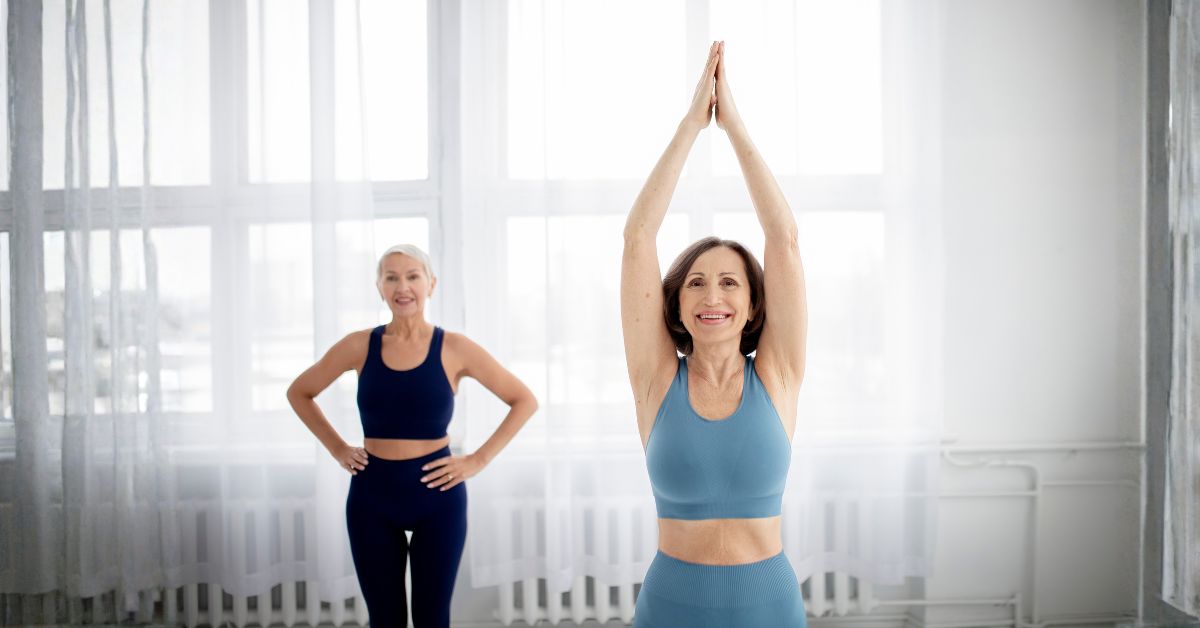
A lot of people come to yoga because they want one simple practice that supports their whole body. Strength. Flexibility. Balance. Calm. Maybe even longevity.
So it’s a natural question to ask… is yoga enough?
The answer is both simple and nuanced. Yoga can cover an incredible amount of ground for healthy aging. But depending on how you practice, there may be a few places where your body benefits from a little extra support.
This post is adapted from Yoga for Longevity, my podcast where I share therapeutic yoga tools for healthy aging. I’m Mikah Horn, yoga therapist and founder of Lifelong Yoga Online, a membership designed especially for adults 50+. If you’re looking for a way to put the things you learn in this episode into practice, you can explore it free for 7 days, with gentle classes for joint health, healthy hips, posture, and more.
The Five Movement Pillars for Healthy Aging
When someone asks whether yoga is enough, the first question I ask is this… what kind of yoga are we talking about?
Not all yoga practices include the same elements. In Lifelong Yoga, I organize movement around what I call the five pillars of movement longevity.
These are the qualities of movement that support independence, comfort, and resilience as we age.
1. Joint freeing movement
Gentle daily movement through the major joints of the body. This keeps joints lubricated, improves circulation, and reduces stiffness. I often describe this as daily maintenance for your joints.
2. Strength and stability
Strength protects your independence. It helps you get up off the floor, carry groceries, lift objects overhead, and move confidently through your day.
3. Balance
Balance supports fall prevention, but it also trains the communication between your brain and body. When you practice balance, you are strengthening your nervous system’s ability to coordinate movement.
4. Posture
Posture is how we organize ourselves against gravity. It influences breathing, energy, and how efficiently we move.
5. Flexibility
Not circus tricks or extreme ranges of motion. Just a comfortable, usable range of movement so your body can move without constant resistance.
If your yoga practice consistently includes these five elements, you are already supporting many of the most important components of healthy aging.

Where Yoga May Need a Little Support
As wonderful as yoga is… and I truly love it… there are two areas where it can sometimes benefit from a little help.
Cardiovascular health
Yoga is excellent for heart health in many ways. Research shows it can lower blood pressure, reduce stress hormones, and improve heart rate variability.
But many therapeutic yoga practices are not designed to keep the heart rate elevated for long periods.
For that reason, I personally add daily walking to my routine. Walking supports cardiovascular health, gets me outside, and clears my head. It’s just as valuable for my mental health as my physical health.
From time to time I also add something more energetic like dance fitness… Zumba or Jazzercise. It brings joy into the mix while giving my heart a bit more challenge.
Could yoga elevate your heart rate if practiced in a flowing way? Absolutely. But many gentle or therapeutic practices focus more on joint health, stability, and nervous system regulation. That’s where something like walking can be a beautiful complement.
Strength, Muscle, and Bone Health After 50
The second area to pay attention to is strength, especially as we age.
Beginning around our thirties, we naturally start to lose muscle mass. This process, called sarcopenia, can lead to a loss of about three to eight percent of muscle per decade. After age sixty, the rate increases.
Strength also matters deeply for bone health. About one in five women over age fifty are diagnosed with osteoporosis.
Yoga certainly builds strength. Holding poses with your body weight creates time under tension, which strengthens muscles and stabilizes joints.
But over time the body adapts. If you’ve practiced yoga for years, your body may eventually need more resistance to continue building muscle and supporting bone density.
That’s where external resistance, like weights or resistance bands, can be helpful.
Personally, I lift weights about once a week right now. My goal is to build up to three sessions per week over time. It’s a realistic progression for this season of life.
If you’re thinking about adding something alongside yoga, strength training and cardiovascular exercise are two wonderful places to start.

How Often Should You Practice Yoga?
Another part of the question people often ask is how frequently they should practice.
My own routine changes depending on my teaching schedule and the season of life I’m in. Like many yoga teachers, I don’t always manage long personal practices every day.
What works best for me is a short daily practice, usually between 15 and 30 minutes.
Some days it’s intuitive movement. Some days I follow another teacher. Some days it’s more strength-based. Other days it’s simply breathing and gentle joint work.
But one thing I almost always include is joint freeing movement. It’s one of the simplest ways to keep the body feeling good.
If yoga is your primary form of exercise, a helpful goal is four to five sessions per week, even if they’re short.
If yoga complements other activities like walking or strength training, two or three focused sessions per week plus a few minutes of daily joint movement can be incredibly supportive.
Remember… consistency beats perfection.
Bringing It All Together
Yoga covers a lot of ground. It supports your joints, improves balance, strengthens muscles, and helps regulate your nervous system. It also improves recovery, reduces chronic stress, and helps you sleep better.
For many people, yoga becomes the foundation of their movement practice.
From there, you can layer in other activities that support cardiovascular health or additional strength. Walking, resistance training, dance, swimming… whatever feels sustainable and enjoyable for your body.
If you’re curious what it feels like to practice through the five pillars… joint freeing movement, strength, balance, posture, and flexibility… you can explore them inside Lifelong Yoga Online.
Start with a gentle class. Notice how your body responds. And then build from there.
Until next time, keep moving with intention and joy.
Connect with Mikah
Try 7 Days Free in Lifelong Yoga Online
Work with Mikah 1:1: Private Yoga Therapy
Instagram: @lifelong.yoga
Facebook: Lifelong Yoga with Mikah